
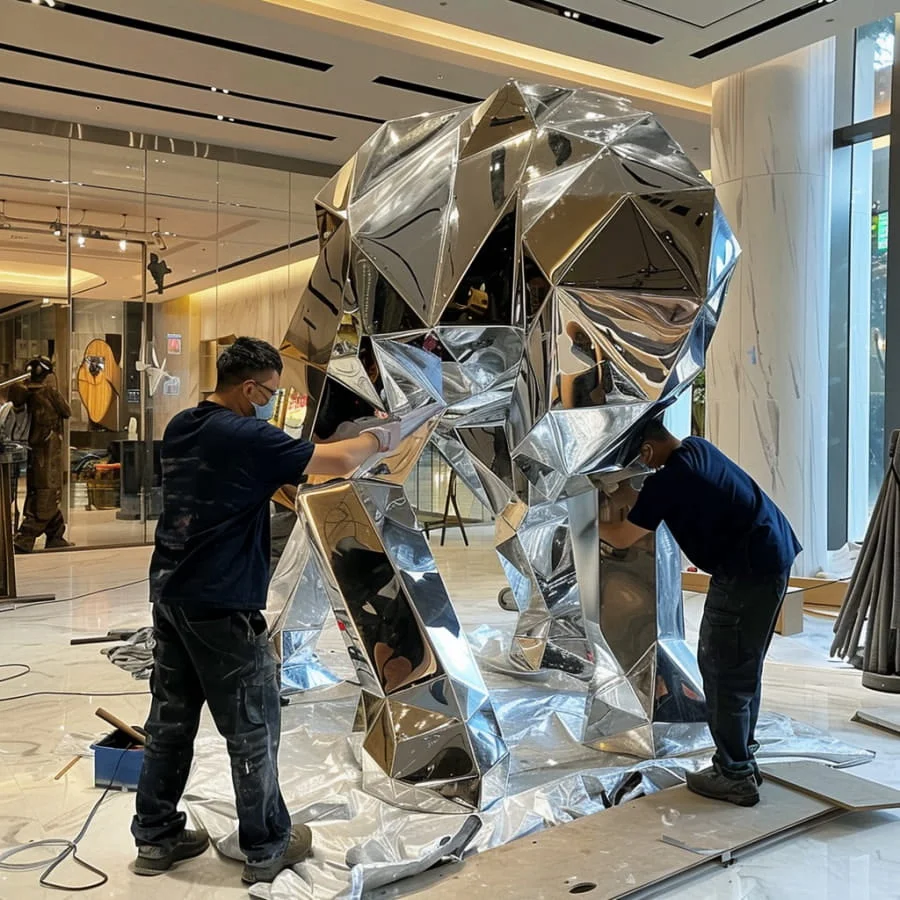
How to clean stainless steel sculpture?
Stainless steel sculptures have become a defining feature of modern urban landscapes. Under sunlight, their polished surfaces catch and scatter light in brilliant, ever-changing hues — bringing a sense of romance and vitality to city streets, plazas, and public spaces. But to keep these works looking their best for decades, proper maintenance is essential. Here are seven practical tips to help you care for your stainless steel sculpture.
1. Clean Regularly
Routine cleaning is the foundation of good sculpture maintenance. Apply a small amount of neutral detergent to the surface, then wipe gently with a lint-free cloth. For larger or more stubborn surface dirt, use a manual spray bottle to dampen the area first, then wipe dry with a clean towel. Always use light, gentle strokes — never scrub aggressively.
2. Keep It Dry
Moisture is one of the biggest enemies of metal. Whenever possible, store or display stainless steel sculptures in a dry, well-ventilated environment. Prolonged exposure to humidity accelerates oxidation and can dull the surface finish over time.
3. Avoid Direct Contact with Bare Hands
Human sweat contains salts and acids that can gradually corrode stainless steel surfaces. When handling sculptures — especially smaller decorative pieces — always wear clean cotton gloves. This protects both the sculpture from corrosion and your hands from sharp edges.
4. Clean Crevices with Care
Narrow gaps and recessed details require special attention. Dampen a cotton swab or cotton ball and carefully wipe along each crevice from one end to the other in a single, continuous motion. Avoid using a wet towel directly in tight spaces, as it can leave moisture trapped inside and cause localized rust.
5. Tackle Heavy Dirt the Right Way
For sculptures with thick, built-up grime or surface deposits, start by loosening the dirt with cool air from a hair dryer. Then use a soft-bristled brush to sweep away debris, finishing with a gentle wipe using a fine soft brush. Do not use metal polish, abrasive cleaners, or chemical solvents — these can damage the surface finish permanently.
6. Repair Scratches Promptly
Minor surface scratches can usually be buffed out with fine-grade polishing compound and a soft cloth. For deeper or more extensive scratches, it’s best to consult a professional metal restorer. Leaving scratches untreated allows moisture to penetrate and accelerates corrosion at the damaged site.
7. Apply Protective Wax Annually
After a thorough cleaning, apply a thin, even coat of microcrystalline wax (colorless/clear wax) to the entire surface. This creates a protective barrier against moisture, dust, and minor oxidation. Once a year is generally sufficient for most indoor and outdoor sculptures.
Frequently Asked Questions
How do I remove marks from stainless steel? Wipe the surface with a damp microfiber cloth and a small amount of dish soap, always moving in the direction of the metal grain. For stubborn marks, make a paste with baking soda and water, apply gently with a non-scratch sponge, then rinse and buff dry.
Can I use vinegar to clean stainless steel? Yes — diluted white vinegar works as a mild cleaner due to its weak acidity. Use it sparingly with a soft lint-free cloth, and rinse thoroughly afterward to prevent any residue buildup.
Is oil safe to use on stainless steel? A light coat of vegetable oil can temporarily protect the surface from oxidation, but it’s not a long-term solution. Oil attracts dust and can form a greasy film over time. Microcrystalline wax is a far better option for lasting protection.
How do I make stainless steel look new again? Several household items can restore shine: baking soda paste, toothpaste, lemon juice with salt, pineapple peel water, or a dedicated stainless steel cleaning powder. Always finish by buffing dry with a clean cloth.
What causes stainless steel to tarnish or corrode?
- Environmental exposure — Marine or coastal environments are particularly corrosive, even for 304-grade stainless steel
- Galvanic corrosion — Contact with certain liquids or dissimilar metals can create an electrochemical reaction
- Mechanical stress — Physical impact or temperature fluctuations can alter the metal’s internal structure and reduce corrosion resistance
How do I remove oxidation from stainless steel? Effective methods include baking soda paste, lemon juice mixed with salt, cream of tartar with vinegar, or a commercial stainless steel rust remover. After treatment, always dry the surface completely with a clean towel.
About Mily Statue
Mily Statue is a professional stainless steel sculpture manufacturer and design studio. We have partnered with artists, sculptors, architects, and designers worldwide to deliver custom sculpture projects for hotels, villas, shopping centers, and real estate developments — with completed installations across the United States, UAE, Qatar, and beyond.
Have a project in mind? Contact us — we’d love to bring your vision to life.

I’m Linda, and I’ve been living and breathing stainless steel sculptures for over a decade — which sounds more intense than it is, I promise.
As Sales Director at Mily Statue, I spend my days helping clients around the world turn their ideas into real, lasting works of art. From a small garden piece for a private home to a multi-story installation for a city plaza, I’ve seen projects of every scale and style — and I still get genuinely excited when a new brief lands in my inbox.
When I’m not talking sculptures, I’m probably exploring somewhere new, hunting for good coffee, or sharing something beautiful I stumbled across. Life’s too short not to notice the details.
Got a project in mind? Let’s talk.
Share this article

Written by
LindaI'm Linda, and I've been living and breathing stainless steel sculptures for over a decade — which sounds more intense than it is, I promise. As Sales Director at Mily Statue, I spend my days helping clients around the world turn their ideas into real, lasting works of art. From a small garden piece for a private home to a multi-story installation for a city plaza, I've seen projects of every scale and style — and I still get genuinely excited when a new brief lands in my inbox. When I'm not talking sculptures, I'm probably exploring somewhere new, hunting for good coffee, or sharing something beautiful I stumbled across. Life's too short not to notice the details. Got a project in mind? Let's talk.
Related Articles
304 vs 316 Stainless Steel: Which Is Better for Outdoor Sculptures?
When choosing an outdoor stainless steel sculpture, many customers ask whether 304 or 316 stainless steel is the...
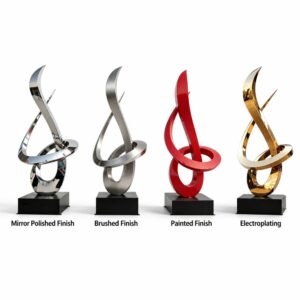
Types of Stainless Steel Sculpture Finishes: A Buyer's Guide to Mirror, Brushed, Painted, and Special Effects
From my experience working with international sculpture buyers, one question comes up again and again: **facing mirror, brushed,...

A Guide to Choosing Metal Sculpture for Hotel Lobby
A hotel lobby only gets one chance to make a first impression. I’ve walked through this decision with...