
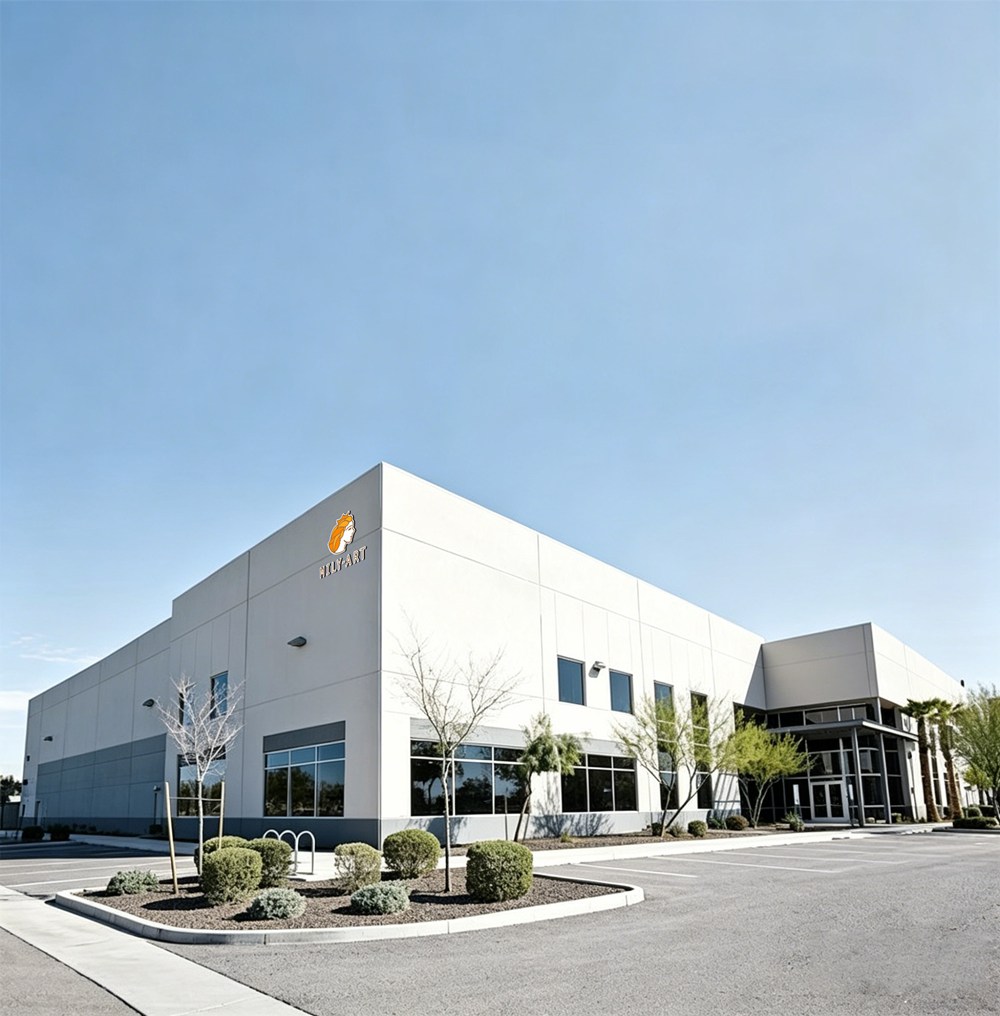
How to Choose a Reliable Stainless Steel Sculpture Manufacturer in 2026?
Stainless steel sculptures can last for decades, but only when a skilled team builds them properly. Many buyers focus on design first and forget to check the manufacturer behind that design. This mistake often leads to rust, weak welds, and shipping damage that shows up months after installation.
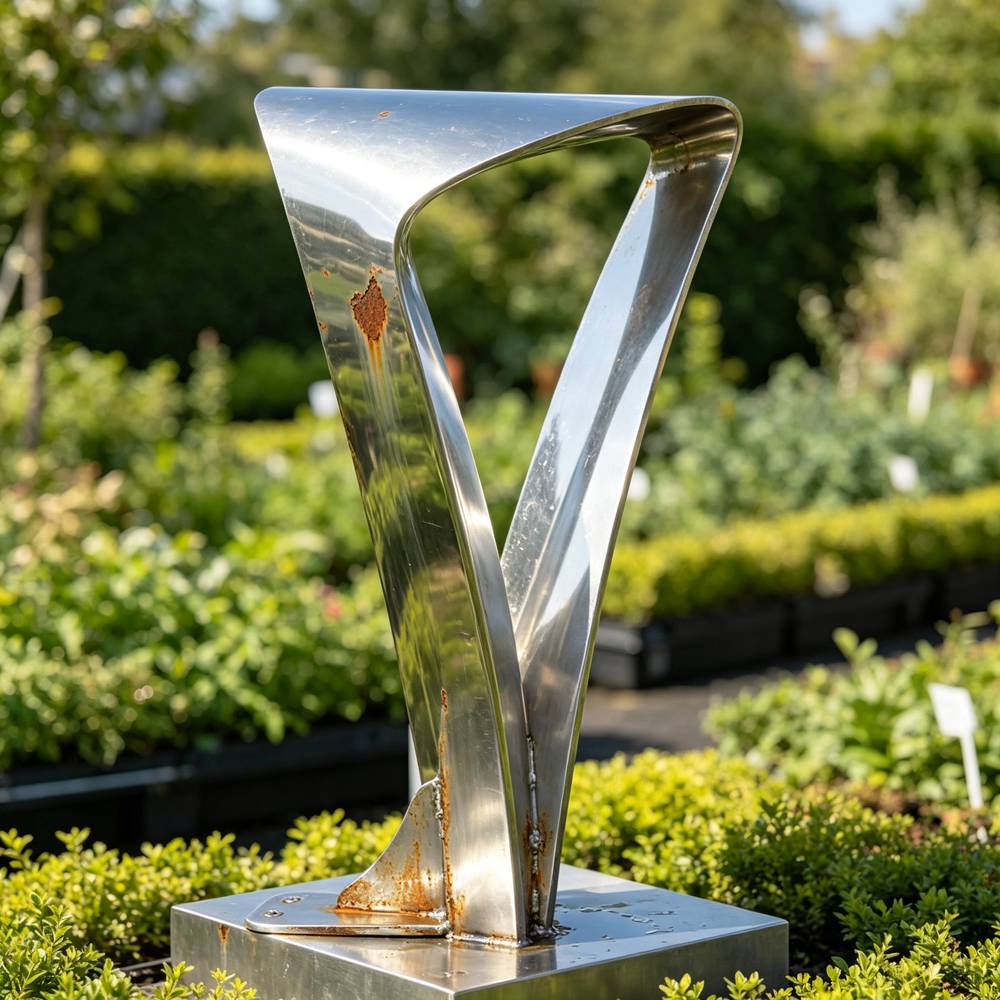
This guide will help you find a reliable stainless steel sculpture manufacturer in 2026. You will learn what to check before signing a contract, and which red flags to walk away from.
Why Choosing the Right Manufacturer Matters More Than Ever?
A stainless steel sculpture manufacturer does more than shape metal. It controls your project’s safety, timeline, and final appearance. A poor choice can ruin a public art project and waste a significant part of your budget.
More buyers now order custom sculptures for hotels, parks, and corporate campuses, and demand keeps rising every year. Unfortunately, the number of low-quality suppliers is rising just as fast. That’s why you need a clear checklist to separate real experts from copycats who simply resell someone else’s work.
Step 1: Check Their Experience in Stainless Steel Sculpture Specifically
Many factories make general metal products, but far fewer specialize in stainless steel sculpture art. Look for a manufacturer with at least 10 years of dedicated experience in this field, and ask directly about the sizes and types of projects they’ve completed. A true stainless steel sculpture manufacturer will show you real project photos and case details, not just polished renderings.
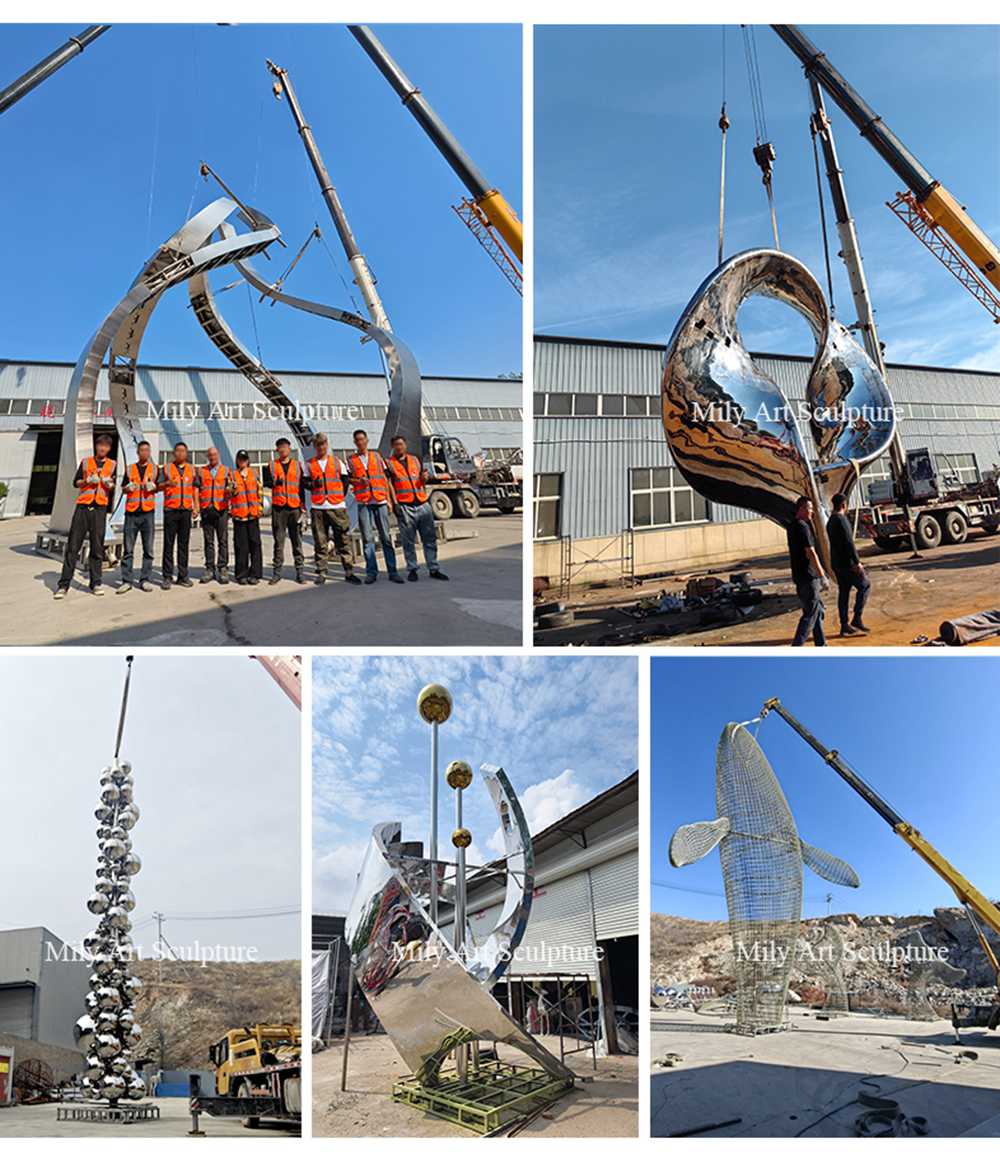
Long-term, specialized experience is what separates a true stainless steel sculpture manufacturer from a general metal shop. Mily was founded in 1994, and over nearly 30 years, we have delivered more than 500 projects to clients in over 30 countries. The kind of track record can lower the risk of surprises later in a project.
Step 2: Verify Material Quality: 304 vs 316L Stainless Steel
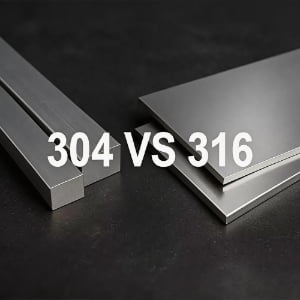
Material grade largely decides how long your sculpture will last, and two grades dominate the market: 304 vs 316L Stainless Steel. 304 stainless steel works well for indoor sculptures because it resists mild corrosion and costs less to produce. 316L stainless steel, on the other hand, suits outdoor and coastal environments, since it handles salt, rain, and pollution far more reliably.
Wall thickness matters too, and a minimum of around 2.8mm is a good benchmark for a sculpture built to last, which is the standard Mily follows across our own projects.
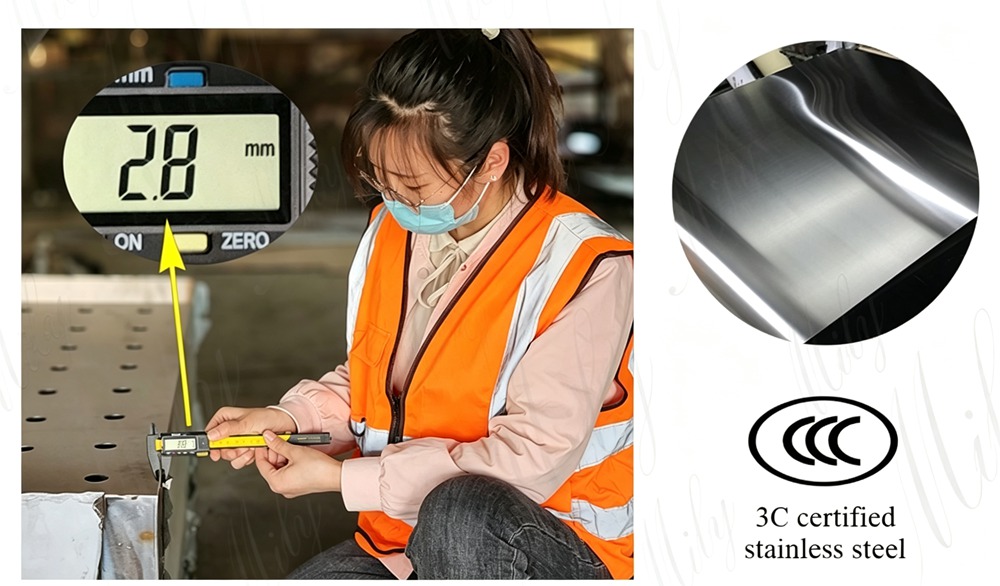
Before you commit, ask your supplier for a material test certificate and request PMI (Positive Material Identification) test results. Without this proof, there’s no real way to confirm the steel grade you’re paying for, and that gap is exactly where cheap substitutes like 201 steel slip in.
Step 3: Evaluate Welding and Structural Engineering Capabilities
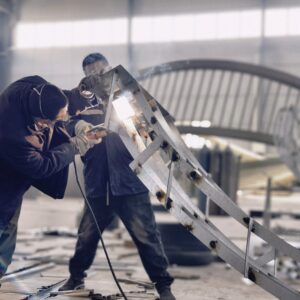
Weak welding tends to ruin a sculpture over time, and cracks or rust almost always start at the joints first. A reliable stainless steel sculpture manufacturer uses full-penetration TIG welding, since this method creates strong, seamless joints that hold up outdoors.
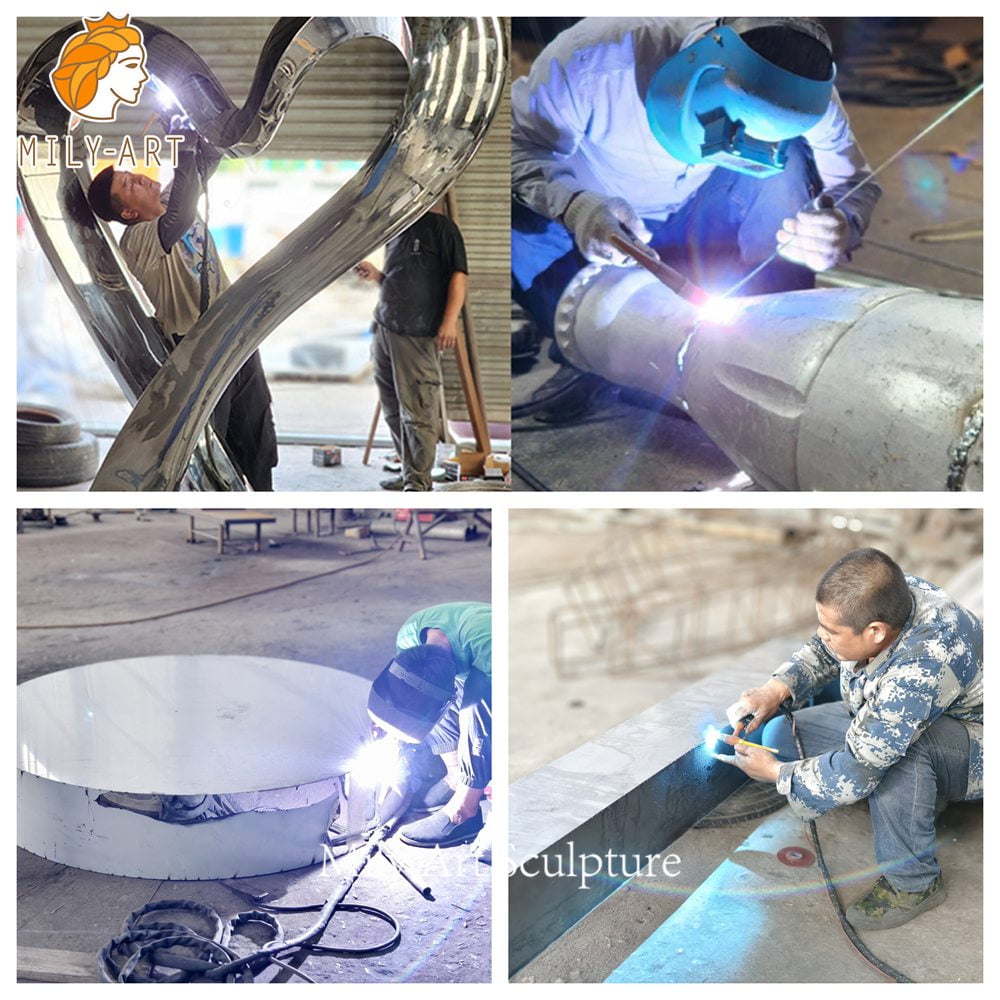
Large scale public art sculptures also need an internal steel frame to support the structure during wind and seismic stress. It’s worth asking your supplier directly how they calculate structural loads for a piece the size you’re planning.
Step 4: Look for Design and Prototyping Support
Good manufacturers get involved before production even starts, helping turn your idea into a design that can actually be built.
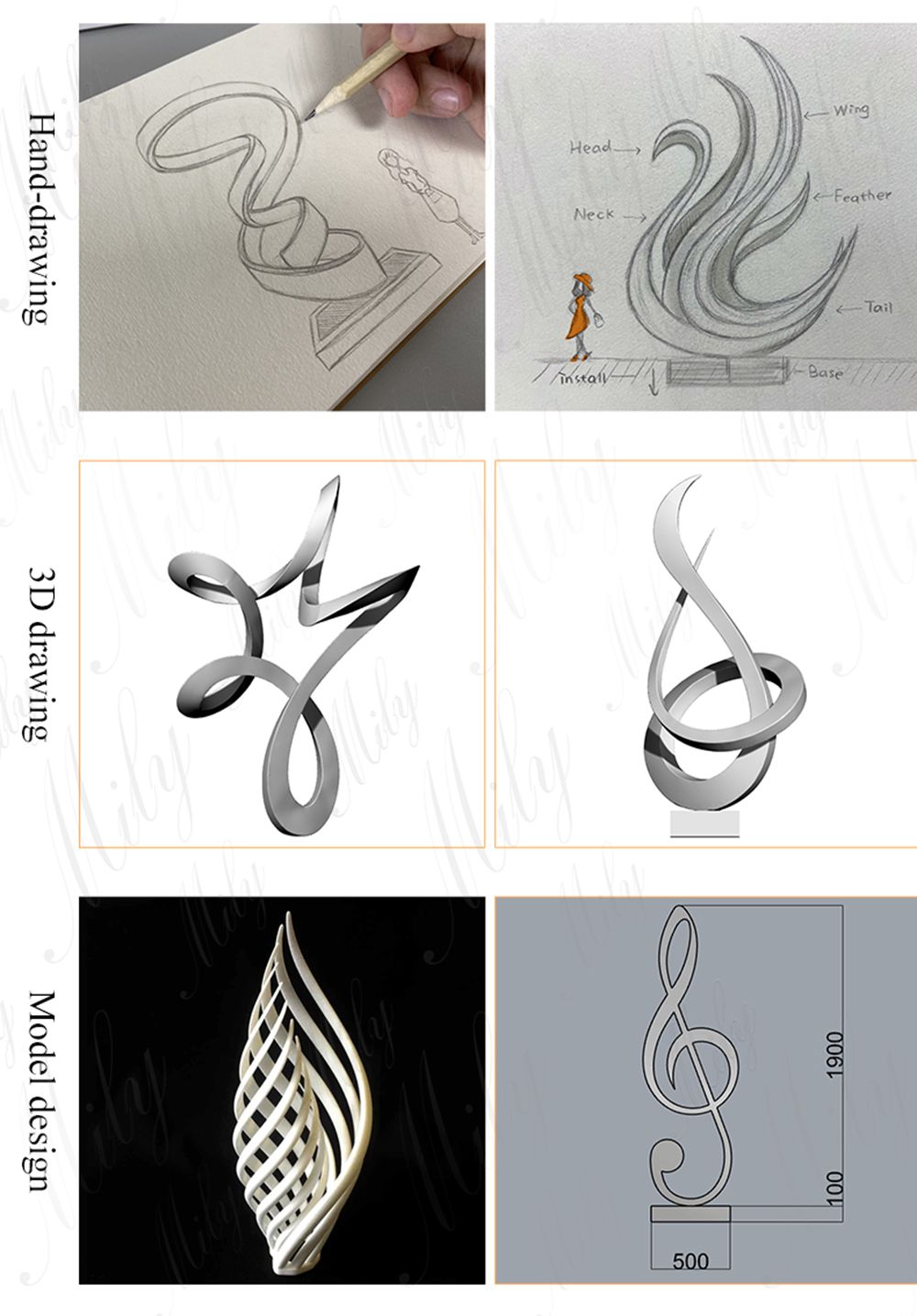
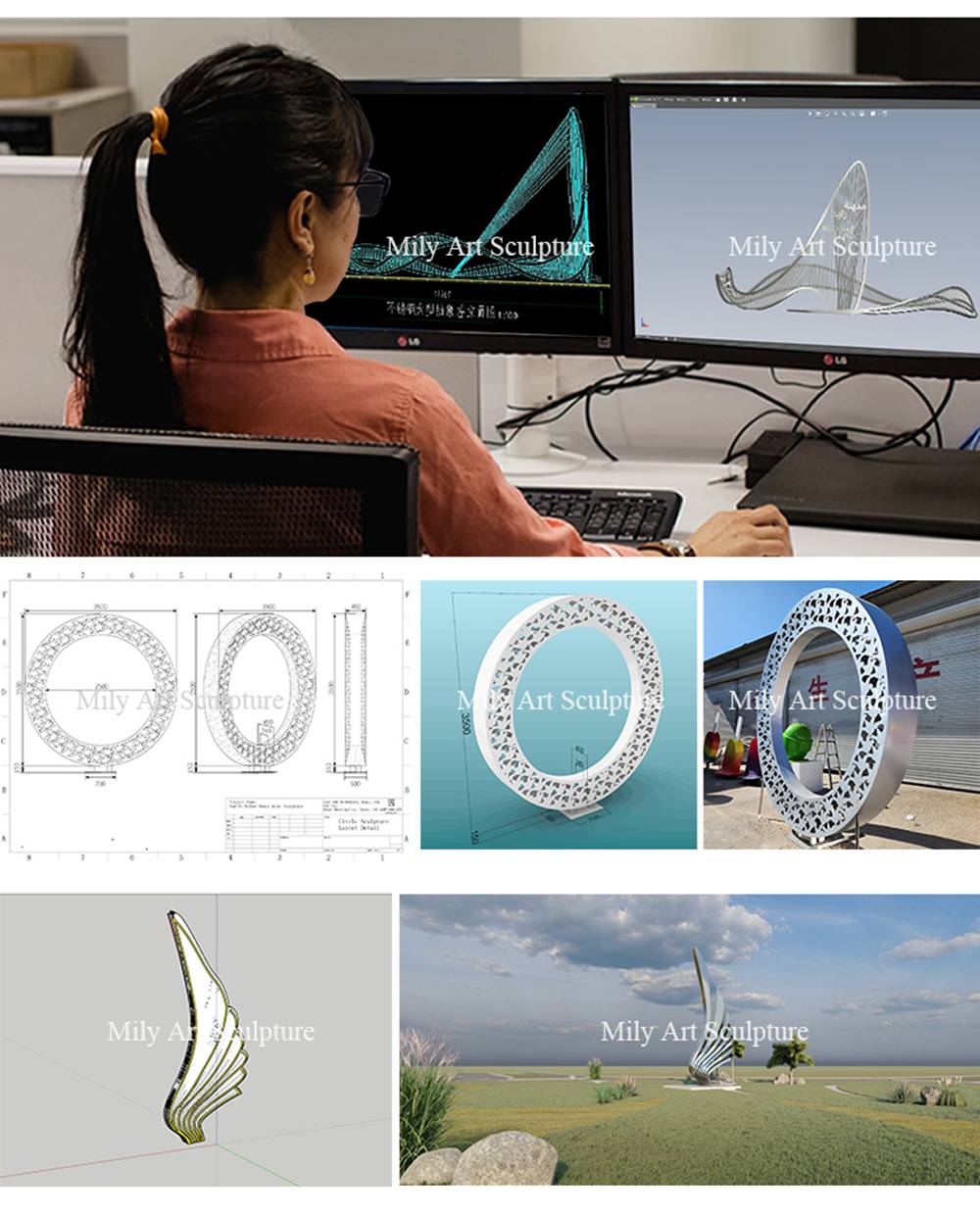
Ask whether they provide 3D models or CAD drawings, and whether they build foam or clay prototypes before cutting any steel. This step catches design problems early, which saves both time and money later in the process.
Step 5: Review Surface Finish Options
Surface finish affects both the look and the long-term durability of a stainless stel sculpture, and buyers usually choose from three main options.
- Mirror polish creates a bright, reflective surface
- Brushed finish offers a softer, matte texture.
- A colored or patina finish adds a more artistic, custom effect for pieces that call for it.
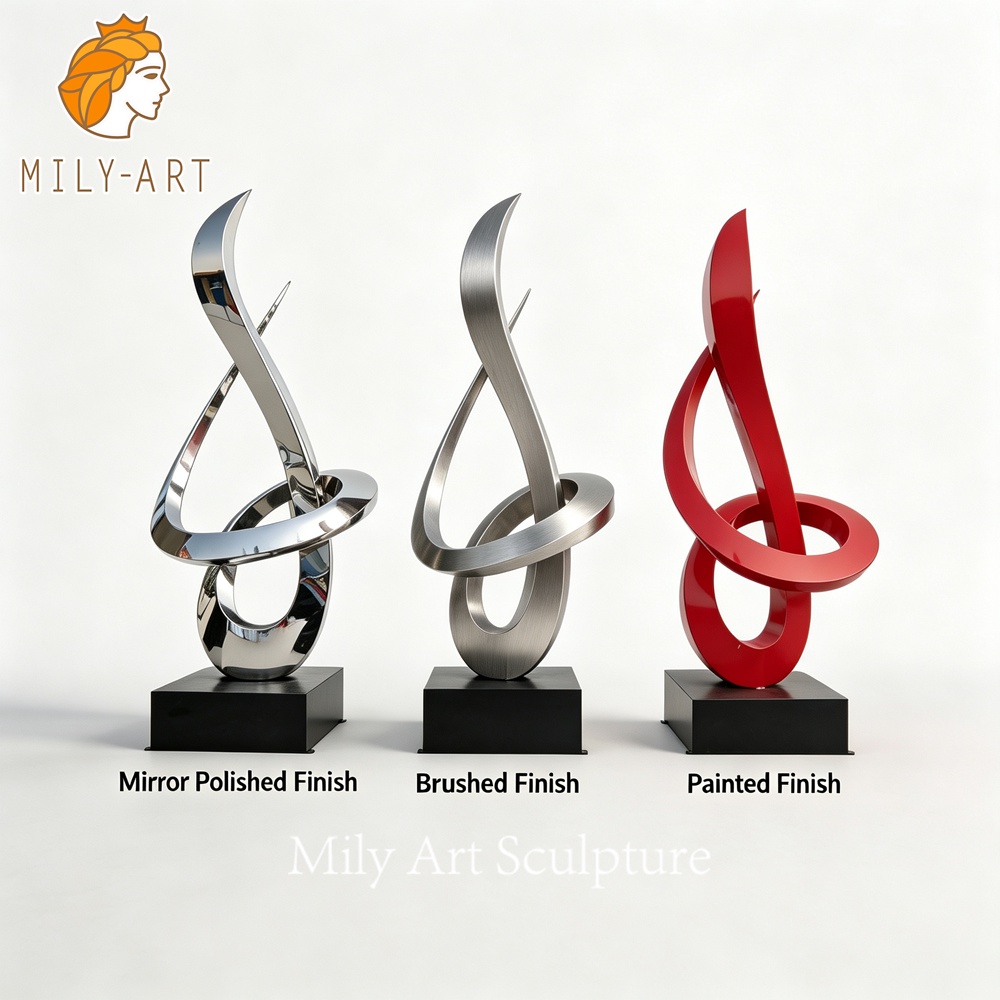
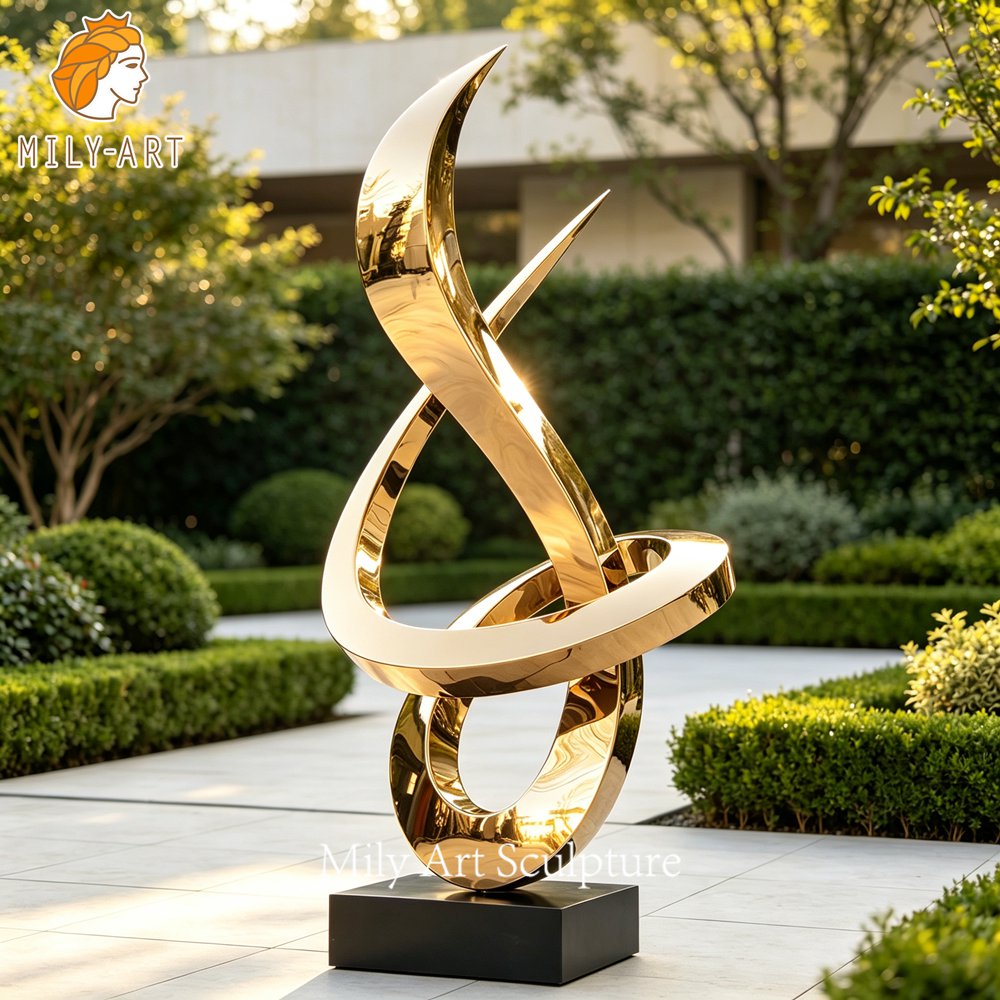
Mily’s own production line covers all of these options, along with electroplating and hollow-cut effects for more unusual designs. Since photos often hide small flaws, it’s worth asking to see finish samples in person whenever possible.
Step 6: Ask About Certifications and Quality Control
Certifications help prove that a factory actually follows real standards. ISO 9001 points to strong quality management, while ISO 14001 reflects responsible environmental practices.
For outdoor sculptures, ask about salt-spray testing, which checks corrosion resistance under harsh conditions over time. It also helps to ask for a written quality control process, since reliable suppliers inspect welds, finish, and dimensions before anything ships.
Step 7: Request a Factory Visit or Virtual Tour
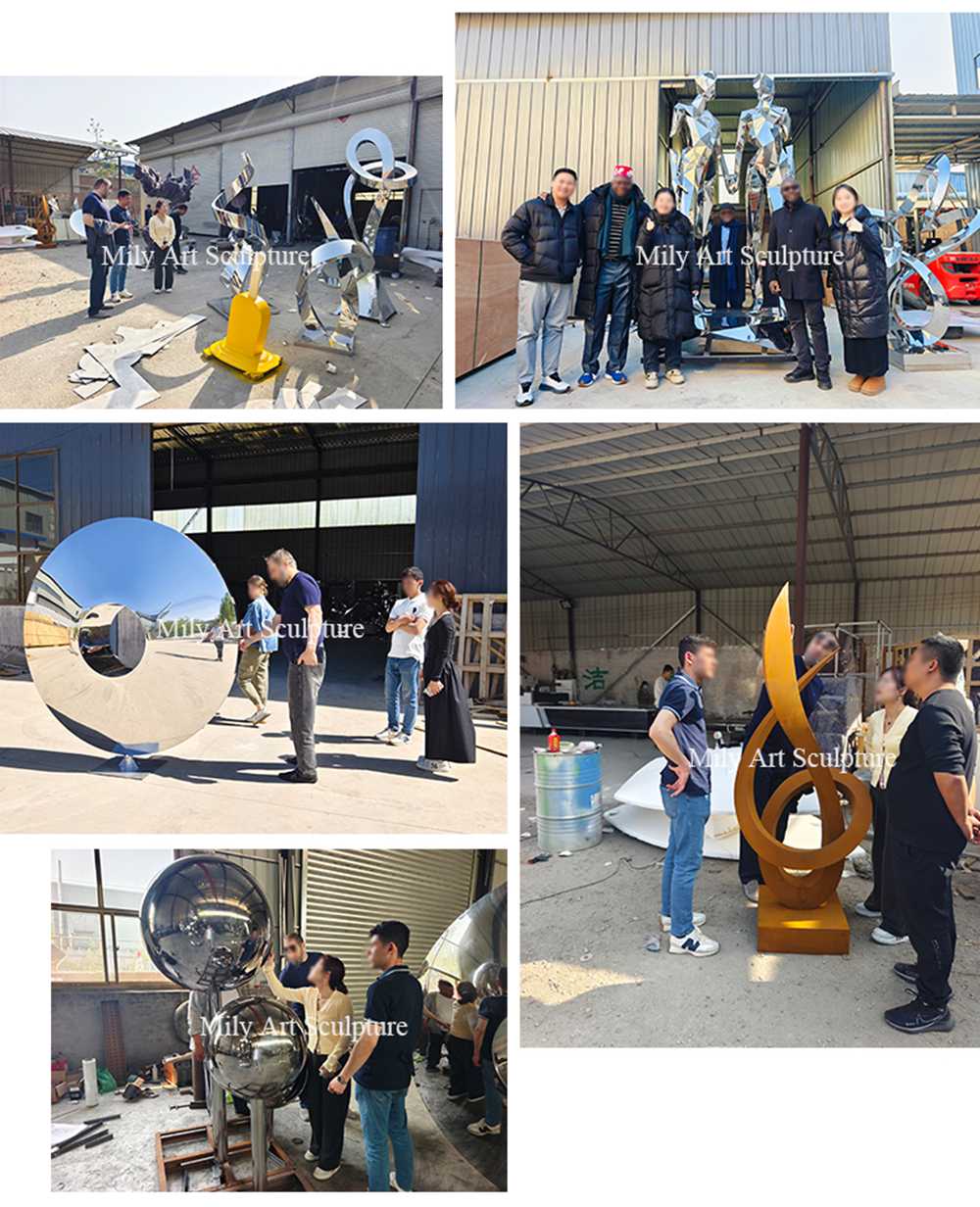
Photos can hide a lot, but a factory visit tends to reveal the truth pretty quickly. If travel is possible, visit the workshop in person and check both the welding area and the polishing room, paying close attention to weld transitions and edge quality. These small details often say more about a factory’s real skill level than any brochure can.
When an in-person visit isn’t practical, ask for a live video tour instead. A trustworthy stainless steel sculpture manufacturer will walk you through the full production floor, not just a clean, curated showroom.
Step 8: Check Past Projects Similar to Your Scale and Style
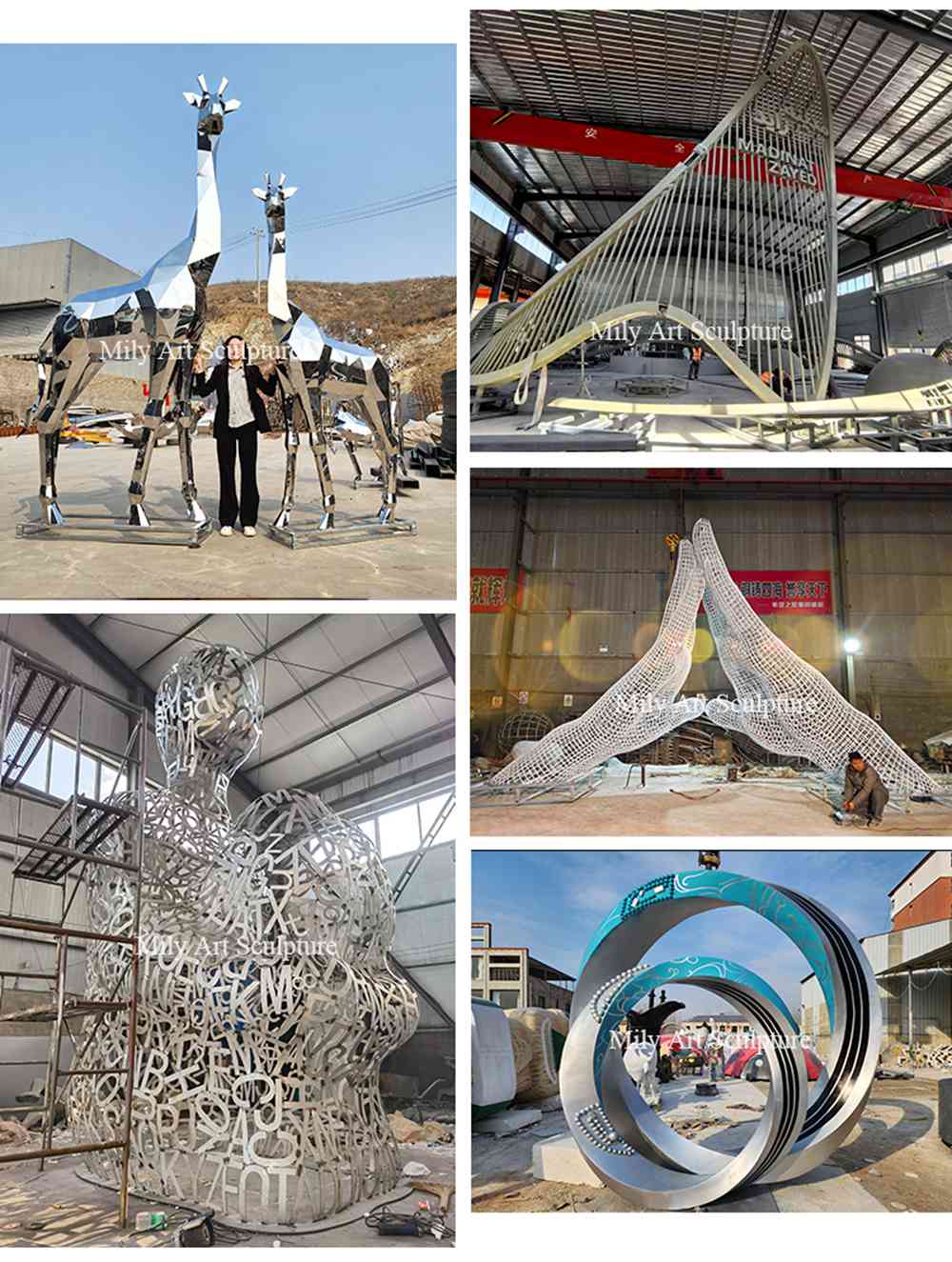
Ask for past projects that match your size, finish, and setting, and request real project details rather than marketing photos alone. Questions about location, installation method, and completion time will tell you a lot.
This step shows whether the supplier genuinely handles projects like yours, and it builds real confidence before you commit any budget.
Step 9: Confirm Packaging, Shipping, and Installation Support
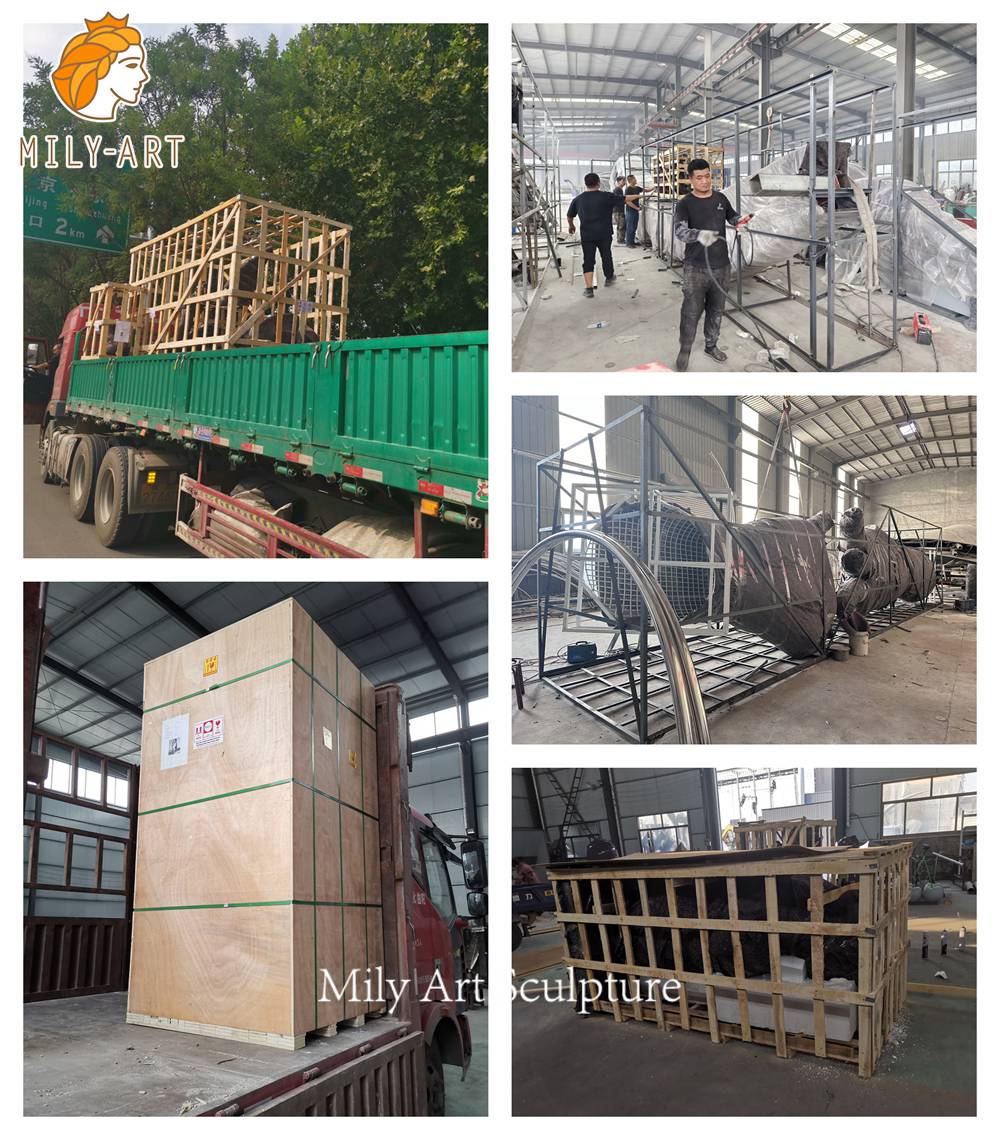
Large sculptures often travel across countries, and poor packaging is one of the most common causes of damage during transport. Ask how the manufacturer packs large or fragile pieces, and ask about their container loading plan for export orders. It’s also worth confirming whether they offer on-site installation guidance once the piece arrives, and whether the shipment is insured in case something goes wrong along the way.
Mily arranges full insurance coverage for every sculpture it ships, so clients aren’t left exposed if damage happens in transit. For larger pieces that arrive in sections, each part is labeled and matched to a numbered installation guide, showing the exact assembly order and connection points, so the on-site team can put it together correctly the first time.
Bonus Check: Red Flags to Watch Out For When Choosing a Manufacturer
Some warning signs show up well before you ever sign a contract, so it helps to watch for them early.
- The supplier refuses to share material certificates
- Their photos look identical to other companies’ sculptures
- They avoid giving specific answers about welding methods
- They ask for full payment before production even starts
- They can’t name any past clients or references
If you notice two or more of these signs, it’s usually worth continuing your search. A reliable stainless steel sculpture manufacturer rarely hides basic project details.
Final Thoughts: Your Manufacturer Checklist
Choosing a reliable stainless steel sculpture manufacturer takes real research, but that research pays off by protecting your budget, timeline, and final result.
Use this quick checklist before you decide:
- 10+ years of stainless steel sculpture experience
- Verified 304 or 316L material certificates
- Full-penetration TIG welding
- 3D modeling or prototype support
- ISO certification and quality control reports
- Factory visit or live video tour available
- Matching past project examples
- Clear packaging and shipping plan
- Transparent communication and payment terms
A strong manufacturer checks every box above. Take your time, and the right partner will make your sculpture last for generations. If you have a project in mind, Mily’s team is ready to walk you through the details — get in touch for a custom quote.

I’m Linda, and I’ve been living and breathing stainless steel sculptures for over a decade — which sounds more intense than it is, I promise.
As Sales Director at Mily Statue, I spend my days helping clients around the world turn their ideas into real, lasting works of art. From a small garden piece for a private home to a multi-story installation for a city plaza, I’ve seen projects of every scale and style — and I still get genuinely excited when a new brief lands in my inbox.
When I’m not talking sculptures, I’m probably exploring somewhere new, hunting for good coffee, or sharing something beautiful I stumbled across. Life’s too short not to notice the details.
Got a project in mind? Let’s talk.
Share this article

Written by
LindaI'm Linda, and I've been living and breathing stainless steel sculptures for over a decade — which sounds more intense than it is, I promise. As Sales Director at Mily Statue, I spend my days helping clients around the world turn their ideas into real, lasting works of art. From a small garden piece for a private home to a multi-story installation for a city plaza, I've seen projects of every scale and style — and I still get genuinely excited when a new brief lands in my inbox. When I'm not talking sculptures, I'm probably exploring somewhere new, hunting for good coffee, or sharing something beautiful I stumbled across. Life's too short not to notice the details. Got a project in mind? Let's talk.
Related Articles
304 vs 316 Stainless Steel: Which Is Better for Outdoor Sculptures?
When choosing an outdoor stainless steel sculpture, many customers ask whether 304 or 316 stainless steel is the...
Large Stainless Steel Sculpture Cost: Price by Size and Type
A large stainless steel sculpture typically costs between $4,500 and $20,000 or more, depending mainly on its size, design,...
A Guide to Choosing Metal Sculpture for Hotel Lobby
A hotel lobby only gets one chance to make a first impression. I’ve walked through this decision with...