
Why Stainless Steel Sculptures Rust And How to Prevent It
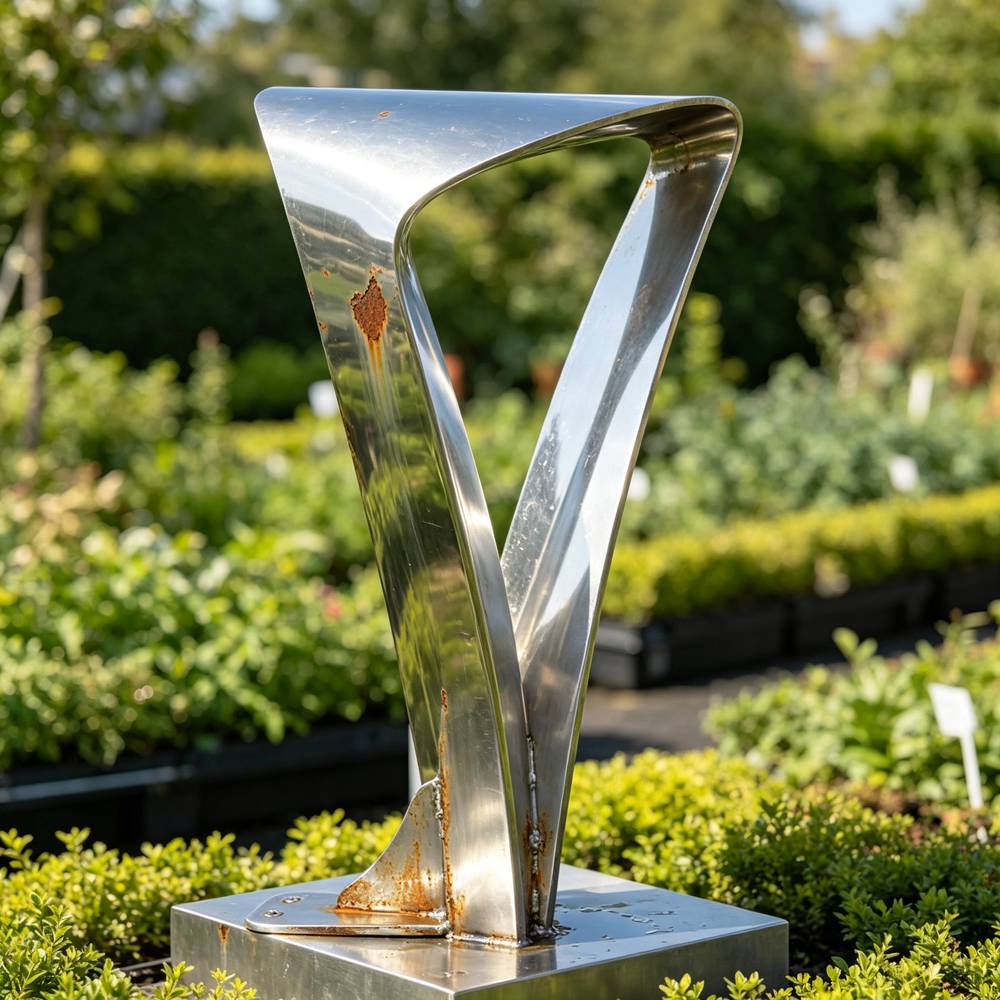
Yes, stainless steel can rust. It is known for rust resistance, not rust immunity. From my experience working with stainless steel sculpture projects, most rust spots are not a sign that the whole sculpture has failed. They usually come from a mix of material grade, surface damage, welding quality, installation details, and local environment.
This is especially important for outdoor stainless steel sculptures. A mirror-polished sculpture in a hotel lobby faces a very different risk from a large public artwork near the coast. If the material, fabrication, installation, and maintenance plan match the site, the risk of rust can stay very low.
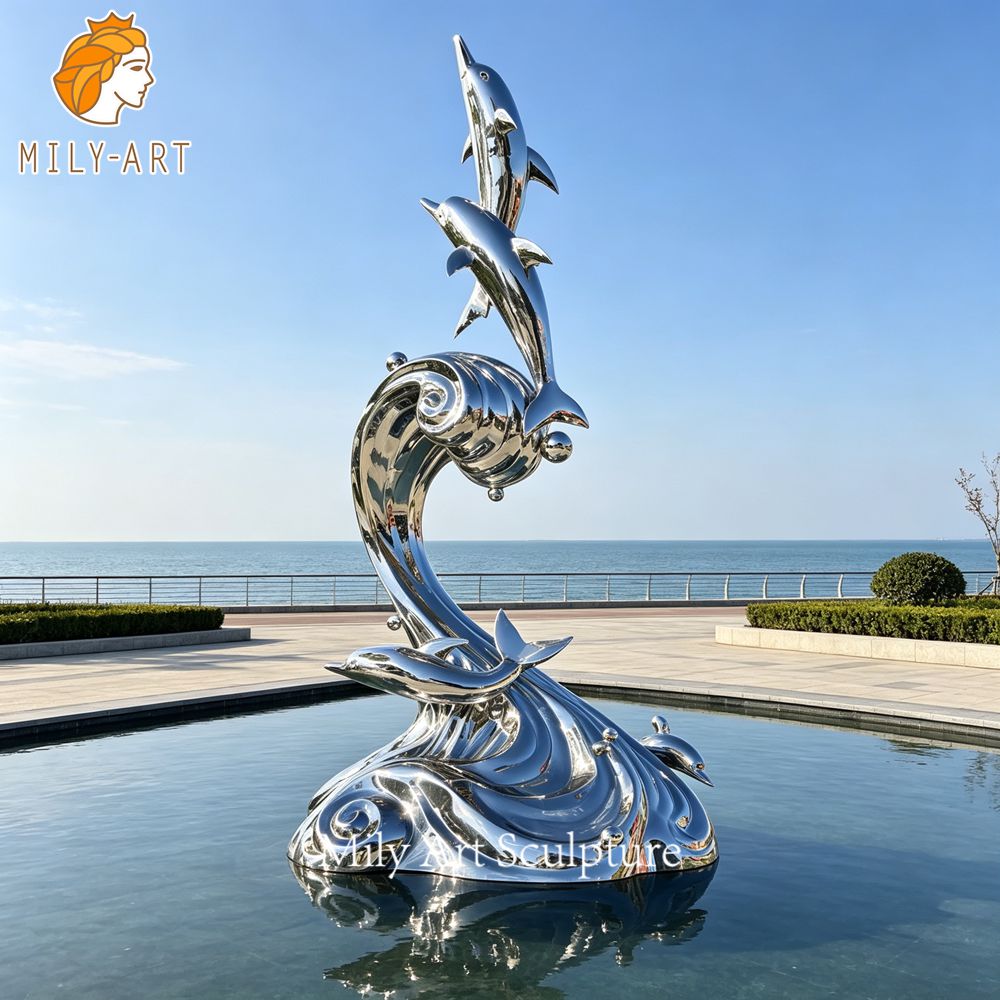
Why Does Stainless Steel Rust?
Stainless steel resists rust because it contains chromium. Chromium reacts with oxygen and forms1 a very thin protective layer on the surface. This layer is called a passivation film. In simple words, it is a self-protecting skin.
When this film stays clean and intact, stainless steel performs well. When it is damaged or contaminated, rust can appear. In sculpture work, the causes are often practical rather than mysterious.
Common Causes of Rust on Stainless Steel Sculptures
Here are the main reasons I look for when a buyer asks, “Why does stainless steel rust?”
| Cause | What Happens | Sculpture Example |
|---|---|---|
| Wrong stainless steel grade | The alloy cannot resist the local environment well enough | 304 stainless steel used near the sea |
| Salt, pollution, or acid rain | Chlorides and chemicals attack the surface film | Coastal parks, industrial zones, roadside plazas |
| Scratches or impact damage | The protective layer is broken | Installation scratches, transport marks, vandalism |
| Poor welding treatment | Heat-affected areas become more vulnerable | Rust appearing along weld seams |
| Contact with carbon steel | Electrochemical corrosion may happen | Carbon steel bolts touching stainless steel base plates |
| Water trapped at the base | Long-term moisture increases corrosion risk | Sculpture footings without drainage |
The practical point is simple. Stainless steel rust usually starts where the protective condition is weakest. It often appears around welds, scratches, joints, bolts, bottom edges, or areas where dirty water stays.
Fabrication Details That Can Lead to Rust
Material grade is only part of the story. A good stainless steel sculpture also depends on fabrication quality.
Mily Metal Sculpture was founded in 1994 in Quyang, Hebei, known as China’s Sculpture Capital. The company manufactures custom stainless steel and Corten steel sculptures for international projects. Its in-house process includes 3D modeling, CNC cutting, hand-finishing, and surface treatments such as 8K mirror polish, brushed satin, automotive paint, and Corten patina.
From my experience discussing project details with buyers, rust concerns often connect to three fabrication areas.
1. Welding and Weld Cleaning
Welding changes the surface condition of stainless steel. The area near the weld is called the heat-affected zone. If the weld is not cleaned and finished correctly, rust may appear there first.
For sculpture buyers, the question is not only “Is it stainless steel?” A better question is, “How will the welds be treated after fabrication?”
Good weld finishing may include grinding, polishing, cleaning, and passivation. Passivation means restoring the protective surface condition after fabrication.
2. Surface Finish Quality
Surface finish affects both appearance and maintenance. A smoother surface usually collects less dirt. A rough or poorly finished surface can hold salt, dust, and moisture.2
| Finish | Visual Effect | Rust-Prevention Consideration |
|---|---|---|
| 8K mirror polish | Highly reflective, luxury appearance | Needs careful cleaning to avoid visible stains and marks |
| Brushed satin | Soft directional texture | Can hide minor marks better, but grooves may hold dirt |
| Painted stainless steel | Colored surface, design flexibility | Coating quality and edge protection are important |
| Patterned or textured finish | Artistic surface effect | Cleaning access should be considered |
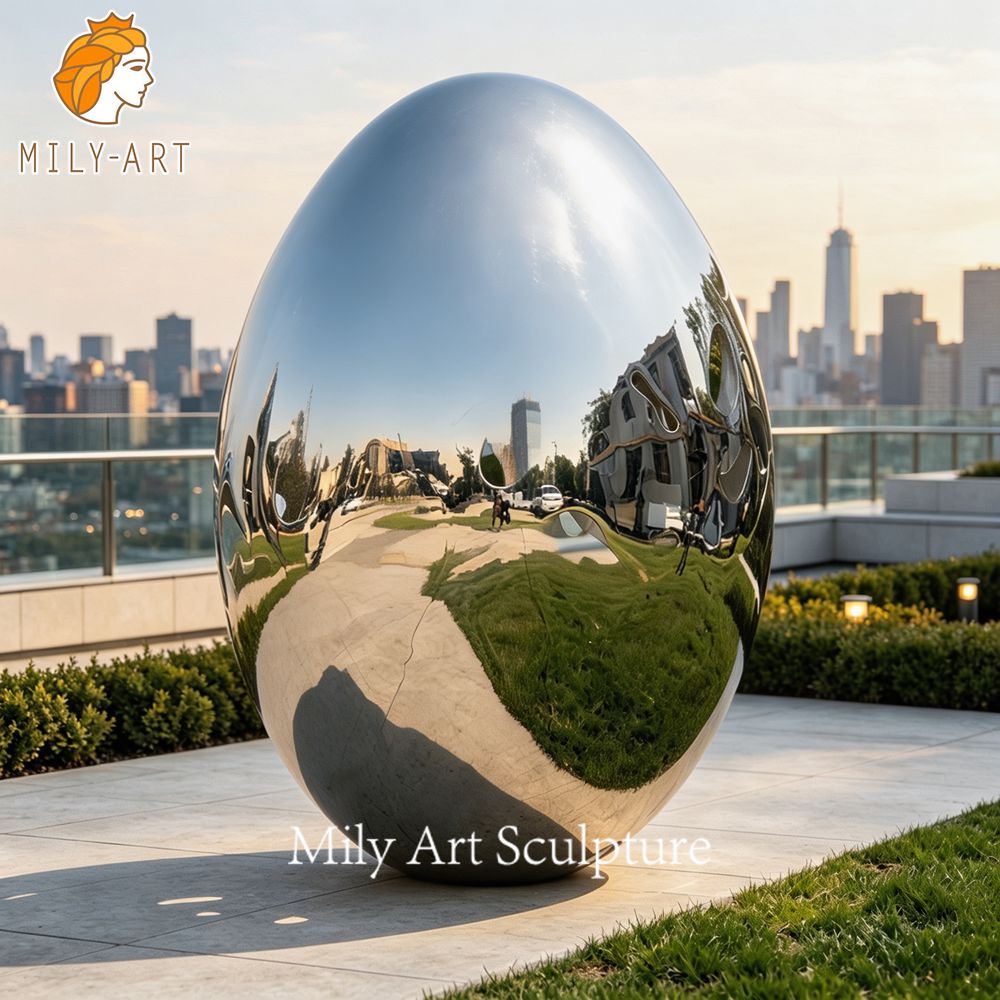
A mirror finish can look spectacular in plazas, hotels, malls, and villas. But it also shows fingerprints, water marks, and contamination more easily. For coastal projects, I would rather discuss both appearance and maintenance before confirming a finish.
3. Contamination From Other Metals
Stainless steel can become contaminated by iron particles. This may happen during cutting, grinding, transport, or installation if tools or nearby materials are not controlled.
For example, carbon steel dust can land on stainless steel. Later, the iron particles rust. Many people then think the stainless steel itself is rusting. In fact, the surface may be contaminated.
This is one reason why careful workshop control and final cleaning matter.
How to Prevent Rust Before Ordering a Sculpture
Rust prevention starts before production. It should not begin after the sculpture arrives on site.
Choose the Right Material for the Site
Before I recommend a grade, I want to know the project location. Is it indoors or outdoors? Is it near the sea? Is it close to a swimming pool, fountain, road, or industrial area? Will the surface be touched often?
Use this simple selection logic:
| Project Condition | Better Starting Point | Reason |
|---|---|---|
| Indoor lobby or mall | 304 stainless steel may be enough | Low salt and low weather exposure |
| Normal outdoor plaza | 304 or 316, depending on local climate | Site conditions decide the risk |
| Coastal park or resort | 316 stainless steel | Better chloride resistance |
| Industrial or polluted area | 316 stainless steel with strong finishing control | Higher chemical exposure |
| Water feature or fountain area | 316 stainless steel is often safer | Moisture and chemicals increase risk |
The safest approach is not always the cheapest upfront. But for large-scale sculpture, wrong material selection can cost more later through cleaning, repair, or replacement. If you already compare material options, I suggest reading a detailed 304 vs 316 stainless steel guide before finalizing the sculpture specification.
Confirm the Finish and Maintenance Expectation
Some buyers choose a surface finish only by appearance. I understand that. Sculpture is visual. But I always suggest discussing maintenance at the same time.
A highly polished landmark piece may need more regular cleaning in a busy public space. A brushed finish may suit some outdoor environments better. Painted stainless steel needs coating protection and careful handling during installation.
The best finish is not only the most beautiful one. It is the finish that matches the site, budget, design intent, and maintenance ability.
Ask About Welding and Passivation
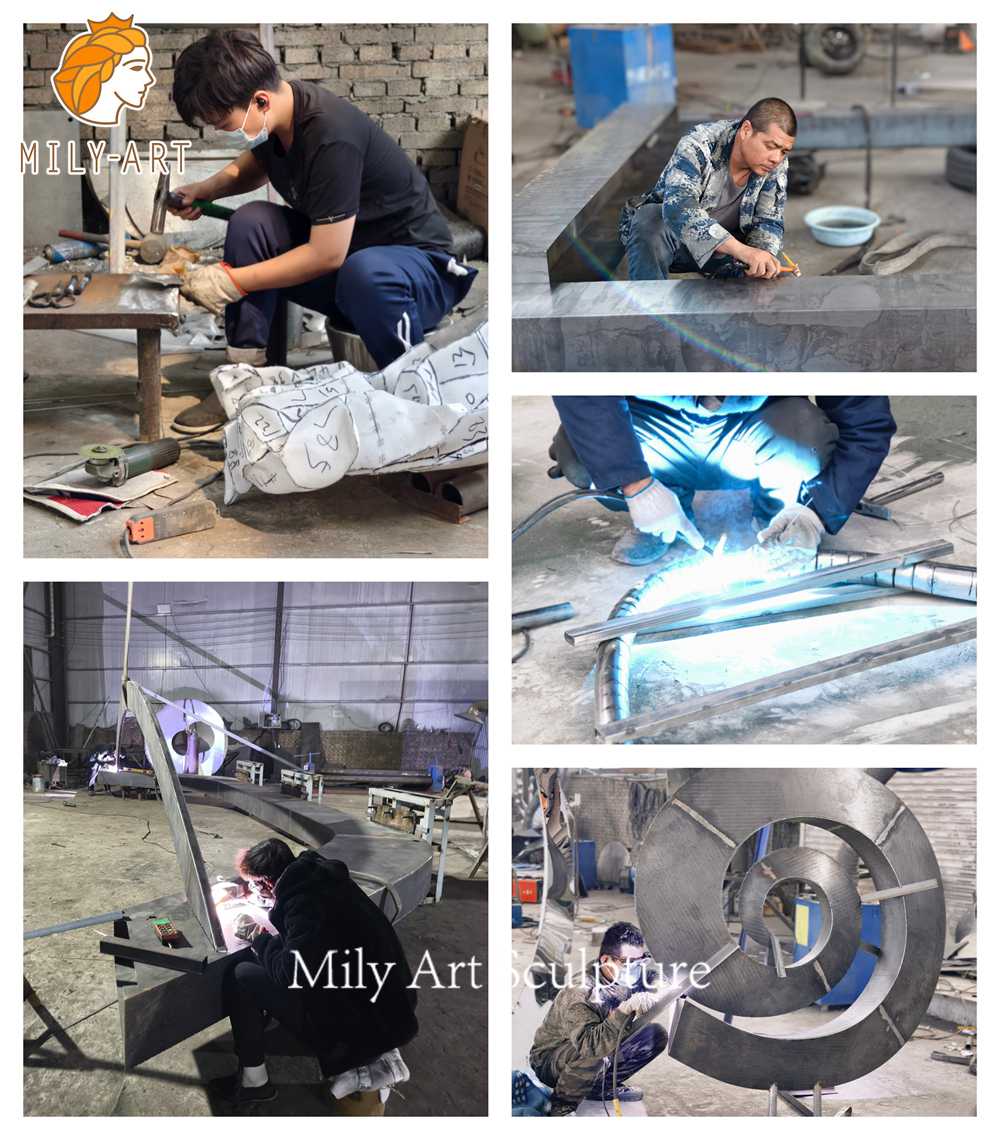
For custom sculpture, many panels or components may be welded together. The weld seams must be properly treated.
When comparing suppliers, ask direct questions:
| Question to Ask | Why It Matters |
|---|---|
| How are weld seams finished? | Weld areas are common rust starting points |
| Is the sculpture cleaned after fabrication? | Removes contamination and polishing residue |
| Is passivation handled after welding? | Helps restore surface corrosion resistance |
| How is the sculpture protected during packing? | Prevents scratches and contamination in transit |
| Are stainless fasteners used? | Avoids corrosion from incompatible metals |
These questions are practical. They show whether the supplier understands stainless steel sculpture as a complete system, not only as a shape.
How to Prevent Rust During Installation
Installation is a common stage for accidental damage. Even a well-made sculpture can suffer if the site team uses the wrong bolts, scratches the surface, or traps water at the base.
Avoid Direct Contact With Carbon Steel
Do not allow stainless steel to sit directly against ordinary carbon steel parts. This includes bolts, washers, embedded plates, temporary brackets, and base frames.
If different metals must be used near each other, the design should separate them properly. Isolation pads, compatible fasteners, and correct detailing can reduce electrochemical corrosion risk.
Plan Drainage Carefully
Water should not collect inside or under the sculpture. This is especially important for outdoor installations.
A sculpture base should allow rainwater to drain away. Hidden pockets, flat ledges, and unsealed gaps can hold dirty water. Over time, that moisture may create staining or corrosion.
Protect the Surface During Lifting
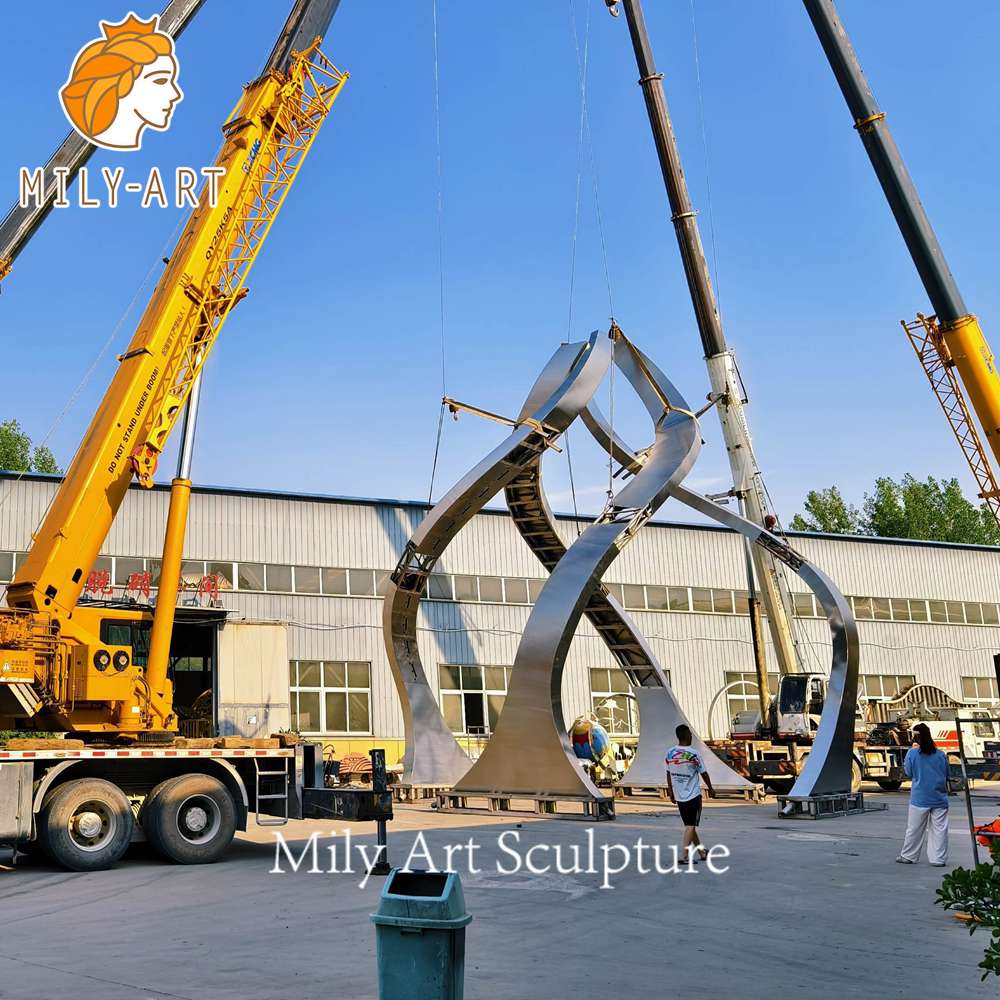
Cranes, straps, forklifts, and metal tools can damage the finish. Mirror-polished stainless steel is especially sensitive.
I suggest using clean soft slings, protective film where appropriate, and careful handling. Any scratch should be checked and repaired quickly. A small installation scratch is easier to fix than a rust stain that develops later.
How to Maintain Stainless Steel Sculptures
Maintenance does not need to be complicated. It needs to be regular and correct.
The goal is to remove salt, dust, pollution, bird droppings, and other deposits before they damage the surface.
Basic Cleaning Method
For most stainless steel sculptures, start with simple cleaning:
- Rinse the surface with clean water.
- Use mild soap or a neutral cleaner.
- Wipe with a soft cloth or sponge.
- Rinse again to remove cleaner residue.
- Dry the surface if water marks are a concern.
Do not use steel wool. Do not use harsh abrasive pads. Do not use strong acid cleaners unless a qualified professional confirms the method.
Maintenance Frequency
Cleaning frequency depends on the site. I avoid giving one fixed rule for every project because a coastal sculpture and an indoor sculpture do not face the same exposure.
| Location | Suggested Maintenance Approach |
|---|---|
| Indoor lobby, hotel, or mall | Clean when fingerprints, dust, or marks appear |
| Normal outdoor site | Clean regularly, especially after rain and dust buildup |
| Coastal area | Clean more often to remove salt deposits |
| Industrial area | Inspect and clean more often because pollutants may collect |
| Water feature area | Watch for chemical residue and mineral deposits |
For high-value public art or hospitality projects, I suggest creating a simple maintenance schedule before installation. The site team should know what to clean, what products to avoid, and who to contact if stains appear.
For deeper maintenance instructions, a dedicated stainless steel sculpture cleaning and care guide is useful.
What If a Stainless Steel Sculpture Already Has Rust Spots?
Do not panic. Light rust spots do not always mean the sculpture is ruined.
In many cases, light surface rust can be cleaned, polished, and treated by a professional. The key is to identify whether the rust sits on the surface or has entered the base material deeply.
Light Surface Rust
Light rust may appear as small brown spots or streaks. It often comes from surface contamination, salt deposits, or minor scratches.
A professional may remove it with suitable stainless steel cleaner, fine polishing tools, and proper surface treatment. The repaired area should match the surrounding finish as closely as possible.
Rust Around Welds
Rust near weld seams needs more attention. It may point to poor weld cleaning, heat tint, or incomplete finishing.
This should be checked by someone who understands stainless steel fabrication. If the surface is simply cleaned without treating the root cause, rust may return.
Severe Corrosion
If corrosion has gone deep into the material, do not try aggressive DIY repair. Strong acid cleaners, rough grinding, or random polishing can make the damage larger.
For serious corrosion, I recommend contacting a professional sculpture fabricator or stainless steel specialist. The repair may require controlled grinding, re-polishing, passivation, or part replacement.
How I Suggest Buyers Evaluate a Stainless Steel Sculpture Supplier
If you are sourcing a custom sculpture for a plaza, hotel, resort, villa, campus, or public park, the supplier choice matters as much as the material grade.
A good supplier should help you prevent rust before it happens. That means asking about site conditions, not only quoting from a drawing.
| Evaluation Point | What to Look For | Why It Matters |
|---|---|---|
| Material recommendation | Clear advice on 304 vs 316 | Reduces wrong-grade risk |
| Fabrication process | Controlled cutting, welding, grinding, and finishing | Protects surface quality |
| Finish capability | Mirror, brushed, painted, or other suitable finishes | Matches design and maintenance needs |
| Installation guidance | Base, fasteners, drainage, lifting protection | Prevents site-stage damage |
| Packing method | Export-grade protection for surface and edges | Reduces scratches during shipping |
| Project communication | One responsible contact person | Keeps details clear from design to delivery |
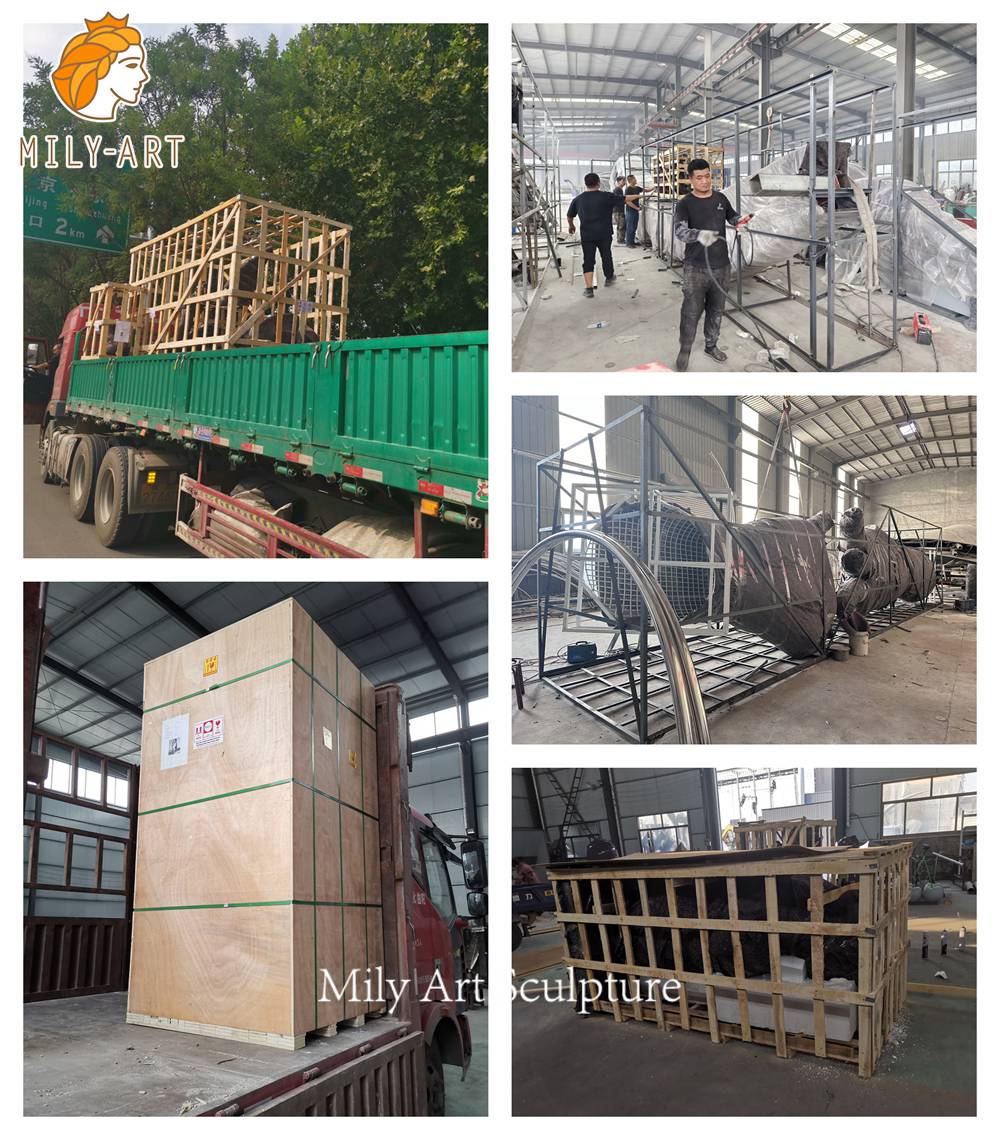
Mily Metal Sculpture provides custom sculpture services from design development to export packaging and global shipping. The company has delivered projects to more than 30 countries and serves landscape architects, developers, hotels, and collectors. I mention these facts because international buyers need more than a beautiful rendering. They need predictable production, packing, logistics, and after-delivery support.
Frequently Asked Questions
Why does stainless steel rust if it is supposed to be stainless?
Stainless steel is rust-resistant, not rust-proof. It relies on a thin protective surface film. Salt, pollution, scratches, poor welding treatment, or contact with carbon steel can damage that film and allow rust to appear.
Is 316 stainless steel always better than 304 for sculptures?
316 has better resistance to salt and chloride corrosion, so it is usually better for coastal or high-corrosion sites. 304 can still be suitable for indoor or mild outdoor environments. The right choice depends on the project location and maintenance plan.
Can mirror-polished stainless steel rust?
Yes, it can rust if the surface is contaminated, scratched, poorly maintained, or used in a harsh environment. A mirror finish can reduce dirt retention when done well, but it also shows stains and marks more clearly.
Are small rust spots a sign of poor quality?
Not always. Small rust spots may come from surface contamination, installation scratches, or environmental deposits. However, rust along welds or repeated rust in the same area should be checked carefully.
What should I avoid when cleaning stainless steel sculpture?
Avoid steel wool, carbon steel brushes, strong acid cleaners, and rough abrasive pads. These can scratch the surface or cause more contamination. Start with clean water, mild soap, and soft cloths unless a professional recommends another method.
How can I reduce rust risk for a coastal sculpture project?
Start with 316 stainless steel, specify proper weld finishing and passivation, avoid carbon steel contact, design good drainage, protect the surface during installation, and clean salt deposits regularly.
Conclusion
Stainless steel sculptures can rust, but the risk can be controlled. The best prevention is a combination of correct material grade, careful fabrication, proper installation, and regular maintenance. If your project is coastal or exposed to pollution, take the rust question seriously from the start. It is much easier to prevent corrosion than to repair it later.
If you are not sure whether 304 or 316 fits your sculpture project, feel free to reach out to Mily Metal Sculpture. I am happy to review the site conditions, design intent, finish options, and shipping plan with you before production begins.
References

I’m Linda, and I’ve been living and breathing stainless steel sculptures for over a decade — which sounds more intense than it is, I promise.
As Sales Director at Mily Statue, I spend my days helping clients around the world turn their ideas into real, lasting works of art. From a small garden piece for a private home to a multi-story installation for a city plaza, I’ve seen projects of every scale and style — and I still get genuinely excited when a new brief lands in my inbox.
When I’m not talking sculptures, I’m probably exploring somewhere new, hunting for good coffee, or sharing something beautiful I stumbled across. Life’s too short not to notice the details.
Got a project in mind? Let’s talk.
Share this article

Written by
LindaI'm Linda, and I've been living and breathing stainless steel sculptures for over a decade — which sounds more intense than it is, I promise. As Sales Director at Mily Statue, I spend my days helping clients around the world turn their ideas into real, lasting works of art. From a small garden piece for a private home to a multi-story installation for a city plaza, I've seen projects of every scale and style — and I still get genuinely excited when a new brief lands in my inbox. When I'm not talking sculptures, I'm probably exploring somewhere new, hunting for good coffee, or sharing something beautiful I stumbled across. Life's too short not to notice the details. Got a project in mind? Let's talk.
Related Articles
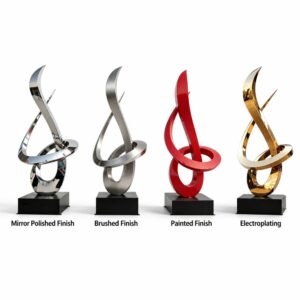
Types of Stainless Steel Sculpture Finishes: A Buyer's Guide to Mirror, Brushed, Painted, and Special Effects
From my experience working with international sculpture buyers, one question comes up again and again: facing mirror, brushed,...
304 vs 316 Stainless Steel: Which Is Better for Outdoor Sculptures?
When choosing an outdoor <a href="https://modernmetalsculptures.com/" target="_blank" rel="noopener">stainless steel sculpture</a>, many customers ask whether 304 or 316 stainless...
How to clean stainless steel sculpture?
<div id="container" class="split-container"> <div id="preview" class="column preview-pane"> <div id="preview-wrapper"> <div id="output" class="content markdown-body"> Stainless steel sculptures have become...